 11
11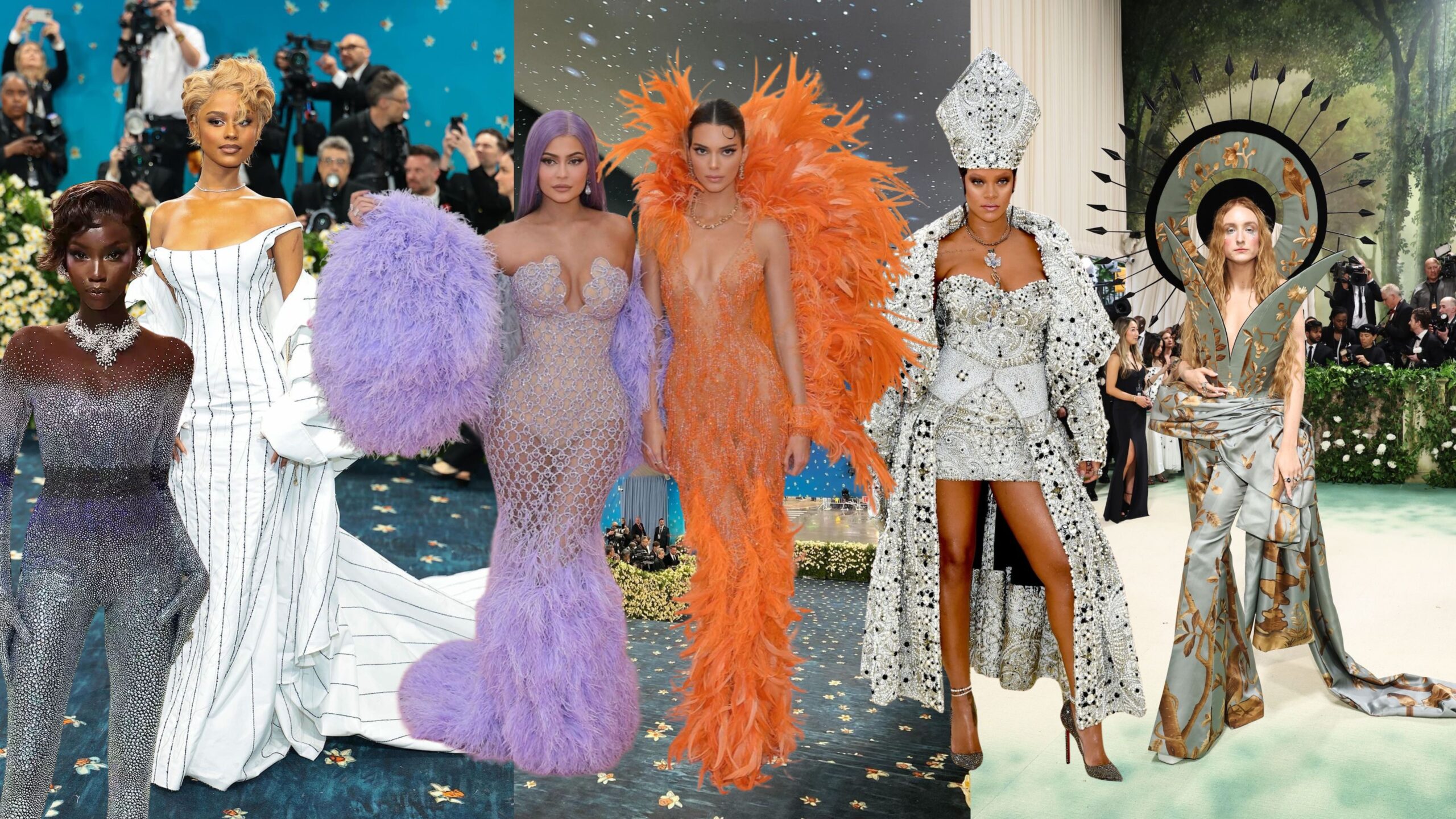
Every year, on the first Monday in May, the steps of New York’s Metropolitan Museum of Art transform into something like a global stage. For a few hours, this familiar stone staircase becomes the most photographed place on earth. Celebrities arrive in custom-made outfits, each one a carefully crafted statement, and the world tunes in, through hours of live coverage, a tidal wave of social media posts, and the constant gaze of major media outlets everywhere.
The museum and its charities benefit. Attendees gain cultural status. Fashion brands that pay $75,000 for a ticket and up to $350,000 for a table leave with something far more valuable than what they spent.
In 2025, the Met Gala generated a staggering $1.3 billion in Media Impact Value in just 48 hours. That number is not a typo. One evening, one red carpet, and suddenly, $1.3 billion in measurable media return, an increase of 19% over the previous year. It’s a reminder of just how much cultural and commercial energy can be concentrated into a single night.
But the Met Gala is much more than a fashion event. It’s perhaps the world’s most sophisticated brand activation, all wrapped in the trappings of a cultural institution.
The Metropolitan Museum of Art stands among the world’s most respected cultural institutions. Its collection spans 5,000 years of human creativity, and its curatorial authority is second to none. Even the name alone carries a weight and legitimacy that no amount of advertising could ever purchase.
This is precisely the kind of legitimacy the Met Gala offers, which explains why brands are willing to invest so much just to be part of it.
At the heart of it all is the Costume Institute, the museum’s fashion department. Every spring, it unveils a major exhibition to coincide with the Gala, curated with the same scholarly rigor as any other Met show, drawing on research, archives, and careful historical analysis. In 2025, for example, “Superfine: Tailoring Black Style” delved into the world of Black dandyism and its place in art history, curated in collaboration with Monica Miller, whose academic work shaped the field.
The exhibition’s curatorial legitimacy isn’t just a nice extra for brands; it’s the main draw. When a brand’s creative director finds themselves at the Gala’s inner tables, their designs are placed in conversation with the museum’s own collection. Proximity to this kind of authority gives a brand a legitimacy it could never manufacture on its own. This is the halo effect in action: the well-documented tendency for positive associations to transfer from one entity to another. The Met Gala doesn’t just benefit from the halo effect; it turns it into an annual ritual, scaled up to reach the entire world.
Anna Wintour, who has guided the Gala since 1999, understands this system intimately. Her famously strict control over the guest list is not just a matter of taste; it’s about preserving the event’s exclusivity. If the list grew too large or became crowded with purely commercial figures, the museum’s endorsement would start to lose its magic. The careful curation of invitations is what keeps the event so coveted.
But there’s another layer to the Met Gala’s brand strategy, one that works on a different psychological level: parasocial engagement.
A parasocial relationship is a one-sided bond, where a viewer feels a sense of closeness to a public figure who has no idea they exist. For fans, these relationships can feel remarkably real, and they often shape what people choose to buy. When someone feels connected to a celebrity, they’re much more likely to support the brands that celebrity is linked to. The Met Gala is engineered to amplify parasocial engagement on a massive scale. The red carpet arrivals stretch on for hours, each moment carefully choreographed and broadcast live, so viewers at home can feel as if they’re part of the spectacle. People who tune in for the whole evening start to feel like they’ve attended the event themselves. They form opinions about the outfits, wait in anticipation for the biggest arrivals, and experience emotions just as if they were standing on the steps themselves.
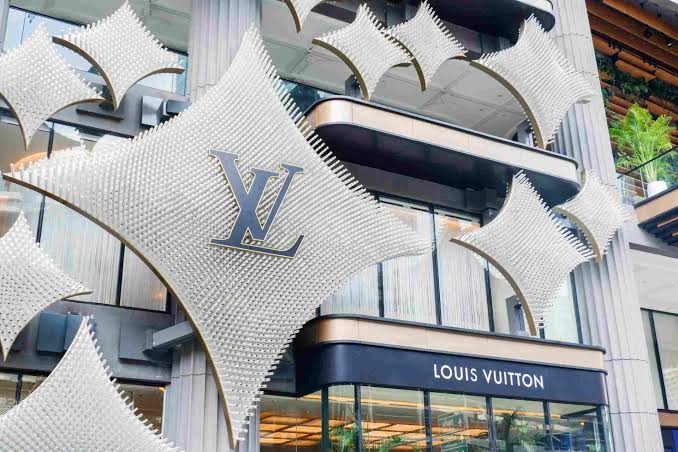
Every brand represented on the red carpet benefits from this web of connection. In 2025, Louis Vuitton, the official sponsor, earned $154.1 million in media value. That success wasn’t just about the designs themselves, but about the celebrities who wore them: Lisa, Zendaya, Sabrina Carpenter, Doechii. Each of these stars brought with them a ready-made audience of millions, already invested. The clothes may be what people see, but the celebrities laid the emotional groundwork long before the Gala began.
This is why the most important decision a brand makes for the Met Gala isn’t about the design itself, but about which celebrities to dress. In 2025, Marc Jacobs earned $94.7 million in media value, largely because Rihanna wore its creation and revealed her pregnancy. The design team couldn’t have scripted that moment, but they did choose to dress Rihanna, and that choice gave them one of the night’s most unforgettable highlights.
The Gala also harnesses what researchers call social proof, but on a scale few other events can match. When millions of people see their favorite stars in a prestigious setting, dressed in particular brands, it feels like an endorsement, even if they’re not consciously aware of it. Traditional ads are easy to spot and just as easy to ignore. But when a celebrity steps onto the Met Gala carpet in a custom gown, it doesn’t register as advertising. It feels like a cultural moment, so the brand’s message slips through, free from the usual skepticism.
The financial architecture of the Met Gala is worth a closer look, especially since so much of it happens behind the scenes. For the Costume Institute, it’s the most lucrative fundraiser in its 77-year history. The headline numbers are publicly reported, usually framed as philanthropic achievements.
What’s less often discussed is the return on those investments. In 2025, the Gala generated $552 million in earned media value, according to Lefty, and $1.3 billion in Media Impact Value within just 48 hours, according to Launchmetrics. Louis Vuitton, as the official sponsor, walked away with $154.1 million in EMV, far more than the cost of sponsorship.
By any marketing standard, the return on investment is remarkable. For context, a Super Bowl ad costs about $7 million for just 30 seconds and reaches around 125 million viewers. The Met Gala, by contrast, delivers far greater returns for less money, with coverage that stretches over days and reaches a truly global audience, not just those watching American television.
This outsized impact is possible thanks to what marketers call the earned media multiplier, the idea that content created by media, influencers, and everyday social users is more credible and travels further than paid ads ever could. Most of the Met Gala’s media value comes from billions of independent posts and stories, not from the brands themselves. Brands pay for entry, but the real media coverage arrives on its own.
This is also why the Gala’s exclusivity isn’t just about prestige—it makes financial sense, too. Scarcity allows the event to raise prices without expanding the guest list. Unlike other elite gatherings where money is the only barrier, the Met Gala has two filters: brands must pay sponsorship fees, and Anna Wintour must personally approve their celebrity guests. This double layer of selection keeps the event both exclusive and valuable.
The 2026 Gala, themed “Costume Art,” reportedly generated nearly $250 million in EMV within just hours of the carpet opening, reaching more than 523 million users. The year-to-year changes reflect which celebrities and brands are involved, not any weakness in the event’s core model, which has shown steady growth for a decade.
But there’s a growing tension at the heart of the Met Gala’s brand strategy, and it seems to become a little clearer with each passing year.
The event’s value for brands is rooted in its cultural legitimacy: its connection to the Metropolitan Museum, its scholarly curation, and a kind of authority that stands apart from business as usual. This legitimacy is what sets the Met Gala apart from ordinary corporate events, and it’s what makes the halo effect so powerful.
Yet the commercial side of the event is now fully visible. Financial figures are public, brand strategies are openly dissected, and the idea of celebrities as media vehicles has become the main narrative in much of the coverage. Every outlet that ranks “brands that won the Met Gala” by media value is both reporting on and participating in the process.
When the process becomes this transparent—when $552 million in earned media value is the headline—does the cultural legitimacy that drives these returns begin to fade? Can a museum setting still confer artistic authority when the commercial machinery is so clearly on display?
So far, the Met Gala hasn’t answered that question. The returns keep growing, the guest list remains tightly curated, and Anna Wintour still holds the final say over who attends.
But for the brands writing those $350,000 checks, it’s a question worth asking, and asking again.
This article is for informational and educational purposes only.