 11
11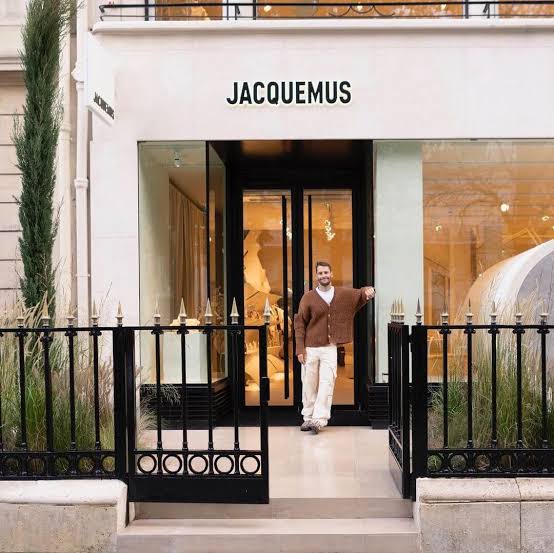
In 2009, a 19-year-old from a small village in Provence launched a fashion brand using his mother’s maiden name. He had no design training, no industry contacts, and no money for advertising. After his mother passed away the previous year, he moved to Paris with very little.
Fast forward to 2023: Jacquemus was bringing in around €280 million in revenue. By early 2026, the brand’s website was drawing over 800,000 visits each month, more than twenty times the average for lifestyle brands. Social media engagement soared to 4.7%, triple the luxury industry norm, all achieved without spending on traditional advertising.
Simon Porte Jacquemus managed something unusual in the world of luxury: he built desire not by closing doors or leaning on old traditions, but by inviting people in through emotion, a touch of surrealism, and by making his own story the heart of the brand.
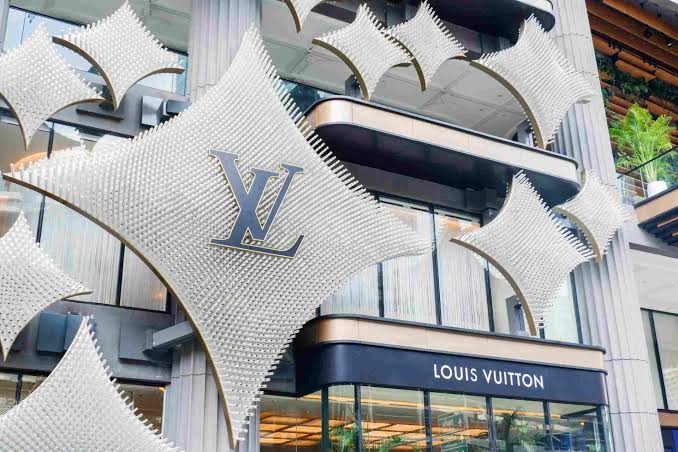
Every major luxury house speaks its own visual language. Hermès has its saddle stitch and equestrian motifs. Louis Vuitton is instantly recognized by its monogram. Chanel is all about those interlocking Cs and tweed. These visual codes do double duty: they prove authenticity and quietly signal status. They’re unmistakable, and that’s the point.
Jacquemus chose a different path. Rather than a single symbol or repeating pattern, the brand’s identity is all about atmosphere: sun-washed colors that feel like Provence, bold, sculptural silhouettes, and oversized pieces set against spare, dreamy backdrops. Imagine a miniature bag in the middle of a vast landscape, a model standing in a sea of lavender, or crisp lines in a buttery yellow that now feels as Jacquemus as orange does for Hermès.
Simon’s approach to design is deeply personal, which sets Jacquemus apart in the luxury world. Most houses invent founder legends after the fact to justify their status. Jacquemus flips this script: the founder’s life is the brand, unfolding in real time. Simon’s ties to his hometown, his mother, and his own sense of style aren’t just clever marketing. They are the story.
This matters for design, because Jacquemus’s visual identity is so closely woven with its founder that you can’t pull them apart. It’s a huge strength; no other brand can quite match the emotional resonance, but it also leaves an open question: what happens if the brand ever needs to grow beyond Simon himself?
Jacquemus also reimagined what a campaign could look like. Instead of flying teams around the world for elaborate photo shoots, the brand turned to CGI and AI-generated images to create moments that feel almost dreamlike: a giant Jacquemus bag drifting through Paris, an enormous handbag perched on a ski slope, or a tiny bag bouncing through a lavender field. These visuals didn’t require physical sets or crews, yet they reached millions online, at lower cost and with greater reach than traditional campaigns ever could.
There’s a paradox at the heart of Jacquemus’s brand psychology. It’s a luxury label with luxury prices, yet it feels more approachable than most of its peers, who usually keep the world at arm’s length.
That sense of accessibility comes from a feeling of genuine closeness. Simon Porte Jacquemus is unusually open on social media, sharing glimpses of his creative process, his daily life, his emotions, and memories of his mother in a way that feels honest and immediate. This narrows the gap between brand and audience, something most luxury houses can’t easily do, since their mystique depends on keeping a certain distance.
Jacquemus turns this idea upside down. Rather than telling people to aspire, the brand invites them in. The Provence-inspired style isn’t presented as something distant or unattainable, but as an emotional experience that anyone can access through the product.
This is the secret behind the Le Chiquito phenomenon, the tiny bag that became Jacquemus’s signature and a cultural moment in its own right. With accessories priced between $250 and $850, Jacquemus opened the door to people who might never buy a $5,000 dress but still want to step into the brand’s world. The mini bag is a bit like Chanel’s lip gloss or Louis Vuitton’s card holder: it lets people experience the brand’s feeling at a more approachable price. In doing so, Jacquemus turns admirers into customers, managing to be both aspirational and accessible at once: a balance that almost no other luxury house has pulled off.
The numbers behind Jacquemus’s rise are striking, especially because they defy what most luxury brands believe about how growth is supposed to happen.
From €11.5 million in 2018 to €100 million in 2021, and then to about €280 million in 2023—Jacquemus’s growth would be impressive for any consumer brand. What makes it even more remarkable is that the company did so without a traditional ad budget, without department-store sales, and without the deep pockets of giants like LVMH or Kering.
So how did Jacquemus pull this off? The brand’s economic model rests on three strategies that work together.
First, the brand gets free publicity through viral moments. Using CGI for campaigns is not just creative; it also saves money. Traditional photo shoots cost much more than AI-generated images, and the CGI images are shared more widely online. This gives a better return on investment, which is why analysts call it “visual arbitrage.”
Second, Jacquemus puts its money into experiences rather than ads. While other luxury brands pulled back after the pandemic, Jacquemus staged outdoor runway shows, intimate dinners, and surprise pop-ups. These moments sparked press coverage and social media buzz, often for a fraction of what traditional advertising would cost. By making each event newsworthy, the brand turned attention into free publicity.
Third, the mini bag serves as a gateway for new customers. The Le Chiquito works a bit like a classic loss-leader, except it isn’t actually sold at a loss; small accessories tend to have healthy profit margins. It welcomes people into the Jacquemus world at a lower price, making it more likely they’ll come back for bigger pieces down the line.
Jacquemus remains independent and founder-led, which is rare for a brand of this scale. This means creative decisions can happen quickly, market tests are less expensive, and the brand voice stays consistent. But with the brand’s identity so closely linked to Simon himself, there’s a risk if the company ever needs to grow beyond his direct touch. No other luxury house at this level has quite figured out how to solve that puzzle.
The Jacquemus story invites us to rethink how luxury brands usually work.
Traditionally, luxury brands build desire by keeping their distance and by making themselves just out of reach. This strategy built legends like Hermès, Chanel, and Louis Vuitton, and it’s served them well.
Jacquemus suggests something different: that aspiration can come from intimacy. The founder’s real emotions and life shape the brand’s identity, and the content that spreads the furthest isn’t always the most expensive; it’s the most emotionally charged. Every major house that reached Jacquemus’s level of revenue eventually faced a crossroads. Most chose to sell to a conglomerate, standardize their operations, and slowly swap out founder-driven identity for brand management.
For now, Simon Porte Jacquemus hasn’t taken that route. The brand remains independent, the founder is still at its heart, and the lavender fields are still woven into its story.
This article is for informational and educational purposes only.