 11
11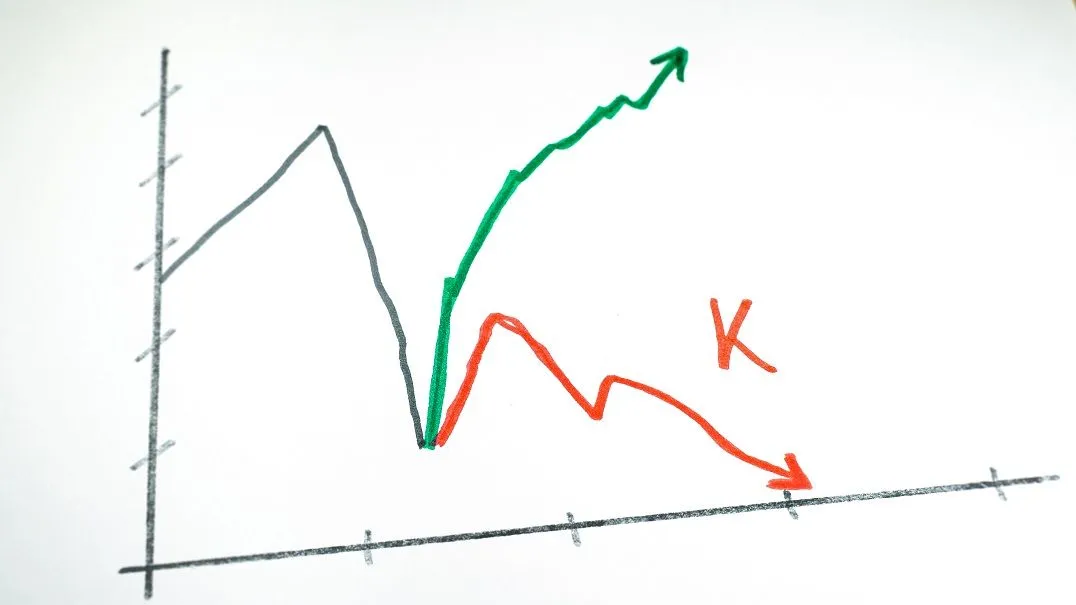
For the past two decades, most luxury brands have leaned on a familiar formula: raise prices, trust in their storied pasts, and let scarcity do the rest. But as we look around in 2026, it’s clear that this old playbook is no longer delivering the results it once did.
Interbrand’s Best Global Brands 2025 report, published in October 2025, shows that the combined value of the top 13 personal luxury brands dropped 5%, from $263.3 billion to $249.6 billion. This is a big change from 2023, when luxury brands grew by 6% year-over-year. Gucci’s brand value fell by more than 35%, Louis Vuitton dropped about 5%, and Chanel, Dior, and L’Oréal Paris also lost value. Hermès was the only major brand to go against this trend, growing its brand value by 18%, from $30.1 billion in 2023 to $40.9 billion in 2025. This was the biggest percentage and dollar increase in the category during that time.
This split captures where luxury brand strategy stands as we head into 2026. The industry isn’t falling apart, but it is sorting itself into two camps: those brands that have invested in building genuine value, and those that have leaned a bit too heavily on their legacy.
If we look at the numbers, they tell a story that matches what’s happening across the luxury world. Bain & Company and Fondazione Altagamma’s latest study found that global luxury spending reached €1.44 trillion in 2025—a slight dip of 1% to 3% from the year before, depending on how you count the currencies. This comes on the heels of a real decline in 2024, making the stretch from 2023 to 2025 one of the toughest for luxury since the 2008–2009 recession.
Looking ahead, Bain predicts the personal luxury goods market will grow by a modest 3% to 5% in 2026 – assuming, of course, that the Middle East stays stable, local shoppers keep spending, and Chinese demand picks up, even if only gradually. That’s a far cry from the double-digit surges we saw after 2010, and it’s happening just as brand values are starting to diverge more than ever.
Put simply, having a famous name is no longer enough. Today, only those brands that can prove their lasting value are coming out ahead. This is what the reset is all about.
One of the most telling numbers behind this reset comes from the BoF–McKinsey State of Fashion 2026 report. Between 2023 and 2025, nearly 80% of luxury market growth came from higher prices, not from selling more goods. Brands kept pushing prices up after the pandemic, but didn’t match that with better quality, craftsmanship, or creativity. Unsurprisingly, shoppers picked up on this.
Consumer research from a luxury marketing analysis earlier this year found that 77% of shoppers noticed luxury goods were more expensive than a year ago, and 41% said they spent less because of it. McKinsey and BoF put it simply: the industry has been getting more money from fewer, more price-tolerant customers, but this approach “cannot be relied on indefinitely.”
The people hit hardest by this shift were the so-called aspirational buyers: the middle-class shoppers who might save up for months to buy their first designer bag or a special piece of jewelry. As prices climbed, many of these customers simply stepped away, shrinking the pool of buyers for brands that had come to depend on steady price hikes.
This helps explain why Gucci’s brand value tumbled by 35%, and why other luxury names also slipped in the Interbrand rankings. Brand value is really about trust in future earnings, and if growth comes only from raising prices – without strong products or compelling stories – it just doesn’t hold up. In the end, this reset is a reaction to strategies that let prices outpace real value.
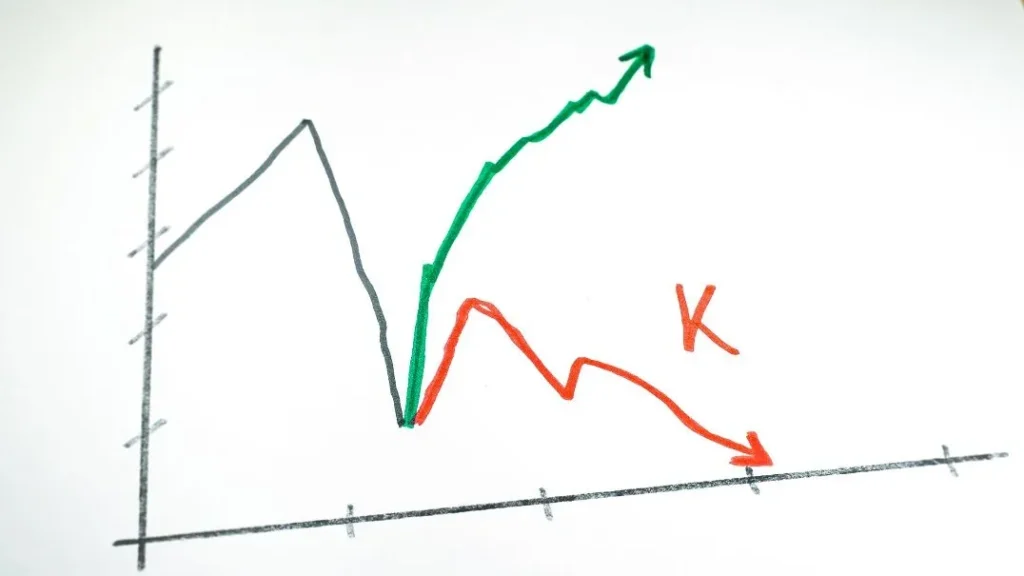
Industry experts at IMD’s business school have dubbed 2026 a “K-shaped” year for luxury: some brands are soaring at the top, while others are slipping in the middle. Hermès stands out as the clearest example of success at the top. Interbrand’s analysts point to Hermès’s genuine production limits (they still can’t make enough Birkin and Kelly bags to satisfy demand), their steady design language over decades, and their deliberate choice to avoid chasing quick sales. It’s a sharp contrast to the price-and-expand strategy that many other brands have tried.
LVMH, the world’s largest luxury group, offers a glimpse of how big players are responding. As 2026 drew near, chairman and CEO Bernard Arnault warned that the year ahead would be anything but simple, thanks to tough and unpredictable conditions. LVMH wrapped up 2025 with mixed results: sales in its core fashion and leather goods division slipped, even as business in the US and Asia picked up later in the year, and profits fell in the fourth quarter. Rather than chasing a new growth story, LVMH is doubling down on what works: focusing on high-quality products, destination stores, and tighter cost control, instead of expanding just for the sake of it.
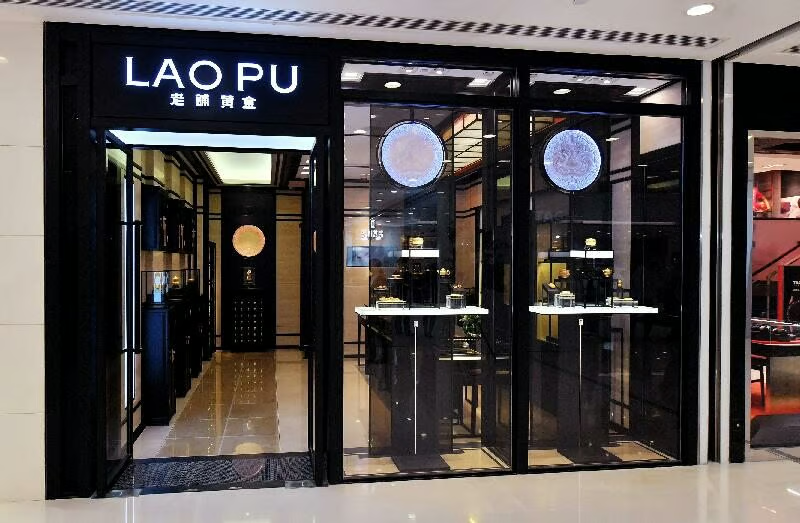
Meanwhile, new challengers are emerging far from the traditional luxury capitals of Paris and Milan. Take China’s Laopu Gold, sometimes called “the Hermès of gold.” Laopu has built its reputation by offering fixed, transparent prices, 24-karat pieces inspired by traditional Chinese motifs, and a scarcity-driven retail model that regularly draws long lines to its stores. By early 2026, Jing Daily noted that Laopu Gold shared more than 80% of its customers with the world’s top five luxury brands. The company raised domestic prices by 20% to 30% in February 2026, its fourth increase since early 2025, yet demand remained strong. While Laopu’s profit margins, at about 41%, are lower than the 60–80% margins seen at established luxury houses, and its business is still mostly in China, it’s a vivid example of how a new brand can build status through scarcity and cultural storytelling.
Research from Bain-Altagamma, McKinsey/BoF, Interbrand, and IMD all suggest similar advice for luxury brands looking to regain trust and brand value in 2026:
First, brands need to restore the balance between price and value. With price hikes no longer a sure bet, McKinsey’s State of Fashion 2026 report finds that brands are now putting more energy into product quality, craftsmanship, and creative direction, rather than just raising prices. Chanel’s brand president, for example, credits a new artistic director with reigniting customer interest and lifting sales—proof that creative investment, not just higher prices, is what’s fueling demand.
Second, treat resale as a core strategy. McKinsey and BoF expect the secondhand luxury and fashion market to grow two to three times faster than the market for new goods through 2027. Their research also reveals that even top-spending luxury customers are active in resale, not just bargain hunters. For brands, building their own resale and authentication platforms is actually a way to protect and strengthen brand value.
Third, see AI as a practical tool, not a magic solution. More than a third of fashion and luxury executives surveyed by McKinsey say they’re already using generative AI for everything from customer service to image creation, copywriting, and product discovery. IMD and other experts suggest that the best results come when AI is used for forecasting, inventory management, and supporting client relationships—not as a replacement for the human.
Fourth, focus on building cultural value, not just leaning on old prestige. Multiple 2026 sector reports agree: status today comes from real history, openness, and cultural meaning, not just a logo or a storied name. The rise of Laopu Gold and the enduring strength of Hermès both show that customers now reward brands that can demonstrate their value.
Finally, don’t mistake steady growth for a reason to get comfortable. Bain’s main forecast for 2026 is 3–5% growth—a far cry from the double-digit leaps of the 2010s. Brands that see this modest growth as a green light to return to old habits are, according to Bain, missing the bigger picture.
The luxury reset of 2026 brings us back to a classic lesson in brand strategy: price and brand value are not interchangeable. Confusing the two is where trouble starts. The core idea is straightforward: a brand can only command higher prices if it has built genuine value through consistency, craftsmanship, and cultural relevance. Hermès thrived because demand outpaced supply, not because it raced to raise prices. Gucci’s decline, on the other hand, came from leaning too much on price hikes and not enough on strong products, creative direction, and storytelling.
For anyone working in luxury fashion, watches, jewelry, or even in related worlds like art and collectibles, the takeaway is clear: use pricing power as a way to show real brand value. That’s the challenge — and the opportunity — of this reset.