 11
11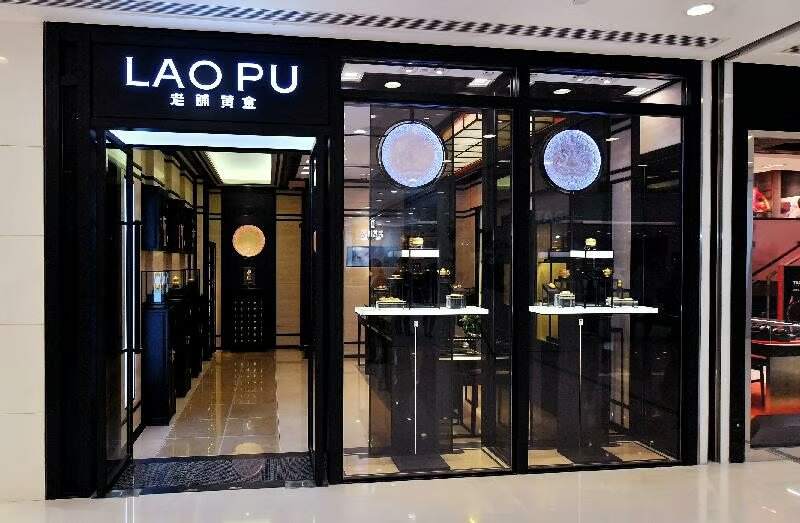
Sixteen years ago, Laopu Gold was just a single goldsmith’s shop tucked away in Beijing, run by Xu Gaoming, who had once worked as a fisheries clerk before moving into tourism. Fast forward to early 2026, and Laopu was posting the highest sales per boutique of any jewelry brand in the world. Xu himself had become a multibillionaire, and suddenly, industry analysts were mentioning Laopu in the same breath as Cartier, Bulgari, and Hermès.
Laopu Gold’s rise is one of those rare stories that makes you rethink what you thought you knew about luxury branding. This wasn’t just a case of riding the wave of rising gold prices. Instead, Laopu made a series of choices that ran counter to almost every rule in the modern branding playbook. And yet, by 2026, Jing Daily found that Laopu had become the first Chinese brand to achieve over 80% consumer overlap with the world’s top five luxury names.
So how did Laopu Gold pull this off, and what can we learn from its approach?
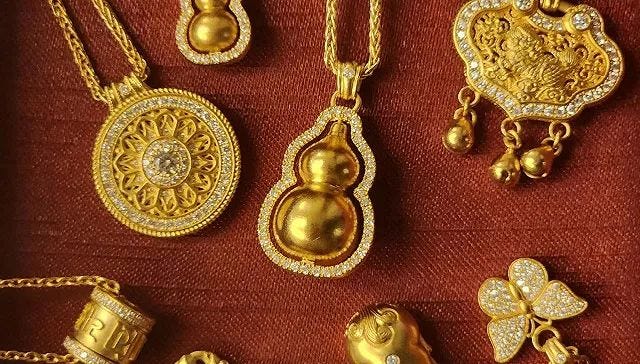
Xu Gaoming started out in gold jewelry back in 2009, but it wasn’t until 2016 that he officially launched Laopu Gold. The name, which translates to “old store,” hints at the brand’s deeper mission: to bring traditional Chinese goldsmithing techniques – hammering, filigree, hollowing, enameling – back into the spotlight. Unlike most jewelers in China, who still price their pieces by weight, Laopu set out to sell gold as a testament to heritage craftsmanship, not just as a commodity.
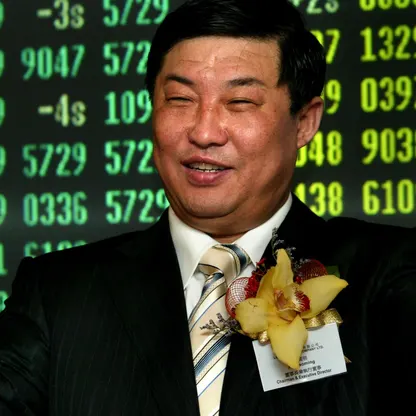
Laopu’s path to the public markets was anything but smooth. The company’s first attempt to list on the Shenzhen exchange in 2020 was rejected, and a second attempt in 2022 was withdrawn. It wasn’t until June 2024 that Laopu finally made its debut on the Hong Kong Main Board, an event that legal advisors called the first IPO by a Chinese-heritage gold brand. The offering raised about $116 million, which is modest by luxury standards, but the real story came after: the stock price soared, climbing more than tenfold over the next year. By late 2025, Forbes estimated Xu Gaoming’s fortune at around $11 billion, placing him among China’s wealthiest.
By 2025, Laopu’s numbers were eye-catching, even outside the jewelry world. Annual revenue hit about RMB 27.3 billion (roughly $3.95 billion), up 221% from the year before. Net profit jumped 230% to RMB 4.87 billion, according to the company’s annual report. Same-store sales soared by 160.6%. Perhaps most striking, gross margins remained above 40%, far higher than Chow Tai Fook’s 22% and leagues above the single-digit margins of some older jewelry houses, as Campaign Asia reported.
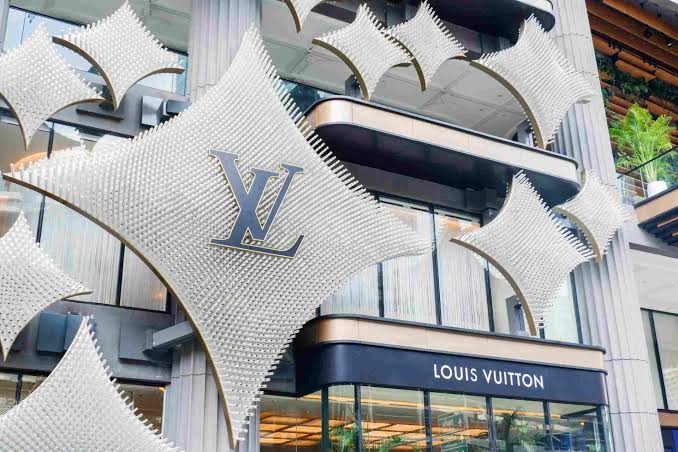
One of the most telling parts of Laopu’s story is what the company chose not to do. While giants like Chow Tai Fook and Lao Feng Xiang have thousands of stores, Laopu took a different path, growing slowly and deliberately. By 2025, it had just about 40 boutiques, each nestled in top-tier shopping centers alongside names like Louis Vuitton and Hermès rather than on the usual retail streets. That year, Laopu opened only 10 new boutiques.
By focusing on fewer stores in prestigious locations, Laopu managed to generate far higher sales per boutique than anyone else. In the first half of 2025, average sales per mall reached about RMB 459 million. Both the company and outside analysts agree: this is the highest sales per unit area of any jewelry brand on the planet.
Laopu’s boutiques are designed to feel like cultural showcases rather than typical stores. They feature rosewood cabinets, coffered ceilings, and curated displays that highlight Chinese design heritage, according to Daxue Consulting. During Chinese New Year 2025, some Laopu stores had lines that lasted up to eight hours, as reported by WARC.
Fixed pricing is another pillar of Laopu’s approach. While most gold jewelry brands in China still price by weight and track the daily gold rate, Laopu sets its own fixed retail prices, untethered from the market. This means the brand benefits when gold prices rise, as they did in 2025, but doesn’t have to cut prices when gold falls. According to Citi research cited by Campaign Asia, Laopu raised prices four times in 2025: by 18%, 25%, 27%, and then another 20–30% in February 2026. Rather than scaring customers away, each price hike only made the lines longer. Economists have a name for this: the Veblen effect, where higher prices actually make a product more desirable.
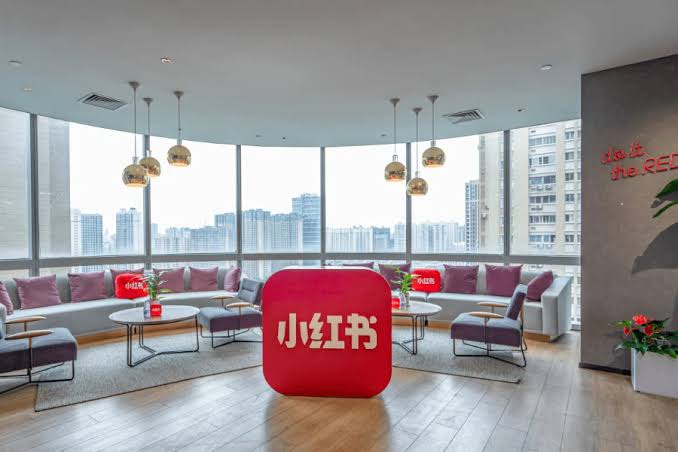
Laopu’s marketing is almost entirely organic. Instead of paid ads, the brand’s growth has come from user-generated content and micro-influencers on platforms like Xiaohongshu (think of it as a blend of Instagram and Pinterest) and Douyin (China’s TikTok), according to The Fashion Law and AInvest. Customers share their own stories, which spread naturally and become informal testimonials. This approach keeps costs low and, more importantly, turns owning Laopu jewelry into a cultural experience.
Laopu uses cultural storytelling to position its brand, instead of relying on a logo. Its designs feature traditional Chinese symbols like dragons, phoenixes, and Buddhist imagery. This comes at a time when younger Chinese consumers, according to several 2025–2026 industry reports including Daxue Consulting, are moving away from Western logo-based status symbols and looking for brands that reflect national pride. Richemont CEO Nicolas Bos has even said that Laopu’s success shows the luxury market is becoming more creative and diverse, rather than seeing it only as competition.
The Hermès comparison is a valid parallel. Both brands deliberately limit supply (Hermès with its famous waitlists for Birkin and Kelly bags, Laopu with its handful of boutiques), use pricing power to stoke demand, and build their stories around craftsmanship rather than celebrity endorsements or splashy ad campaigns.
However, Laopu’s gross margins, at about 37–41%, are strong for jewelry but much lower than the 60–80% margins seen at established European luxury brands, according to The Fashion Law. Laopu’s stores are almost all in mainland China, Hong Kong, and Macau, with just one in Singapore as its first overseas location. Its customers, while starting to overlap with Hermès and Cartier shoppers, are still mostly China’s aspiring and newly wealthy middle class, not the ultra-rich clients that support long-established European brands. As The Fashion Law notes, Laopu is both “a breakthrough and a warning sign” for Chinese luxury: it shows that cultural heritage can build premium brand value, but it’s not yet clear whether this approach can succeed globally as Hermès has.
There’s another risk that sets Laopu apart: its fortunes are tied closely to gold prices, far more than Western luxury brands depend on any single material. The fixed-price model works beautifully when gold is on the rise, as it was in 2025. But when gold prices fall, Laopu typically holds its prices steady, even as costs drop. This protects the brand’s image, but it could backfire if customers begin to see Laopu as less of a good value compared to brands that adjust prices with the market.
Laopu Gold brings something new to the world of brand strategy. It proves that focusing on cultural identity, creating real scarcity, and having the confidence to set your own prices can build powerful brand value, just as Europe’s great houses have done. The real question is whether Laopu can make the leap to become a lasting global luxury name, or if it will remain China’s top heritage brand. For now, the whole industry is watching, curious to see what comes next.