
 11
11
Vincent van Gogh sold one painting in his life.
That’s the line most people know, often used to support the romantic idea that true genius isn’t recognized until it’s too late for the artist. It’s a satisfying story. But by itself, it doesn’t really explain how Van Gogh became the famous figure we know today, with paintings that sell for tens of millions and a name recognized around the world.
The real story is about Jo van Gogh-Bonger, a 28-year-old widow who spent 35 years building his reputation.
When Vincent died in July 1890, his work had essentially no market value. He’d had a couple of small exhibitions and one documented sale. When Vincent died in July 1890, his art was worth almost nothing. He had shown his work in a few small exhibitions and made just one recorded sale: The Red Vineyard, which another painter bought for about $2,000 in today’s money. Six months later, his brother Theo, who had supported him for most of his life, also died. That left Theo’s widow, Jo, with a baby and hundreds of unsold paintings and drawings by an unknown artist.
By the time Jo died in 1925, she had sold about 190 paintings and 55 drawings. She placed important works in the National Gallery in London and other museums around the world. She also organized the biggest Van Gogh retrospective ever held and set the stage for everything that followed, including the Van Gogh Museum in Amsterdam, which her son opened decades later.
What makes Jo’s story so interesting is how carefully she planned her approach. In fact, her methods are similar to those used by art dealers and many luxury brands today.
She didn’t flood the market. Even though she had hundreds of works to sell and needed money as a single mother, she released her paintings slowly and carefully over many years rather than selling everything at once. Keeping things scarce, even when you have a lot, actually increases their value.
From 1892 to 1900, she organized exhibitions of Vincent’s work through her own contacts instead of a gallery. She was smart about displaying lesser-known pieces next to the masterpieces, so the less famous works gained some of the others’ prestige.
She built the story and managed the art. Jo spent years translating and publishing hundreds of letters between Vincent and Theo, a project she didn’t live to see finished. These letters are a big reason Van Gogh is remembered not just as a painter, but as a tragic and deeply human figure.
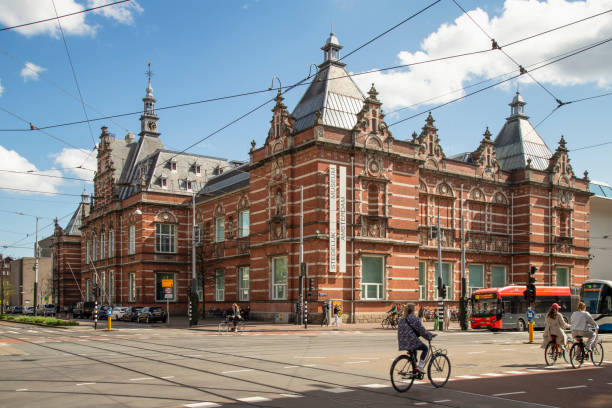
She also planned for the long term. In 1905, fifteen years after Vincent died, she organized a show of nearly 500 of his works at Amsterdam’s Stedelijk Museum. She handled everything herself, from choosing the paintings to setting ticket prices. Afterward, prices for Vincent’s art rose quickly. This was the result of fifteen years of steady, patient work finally paying off.
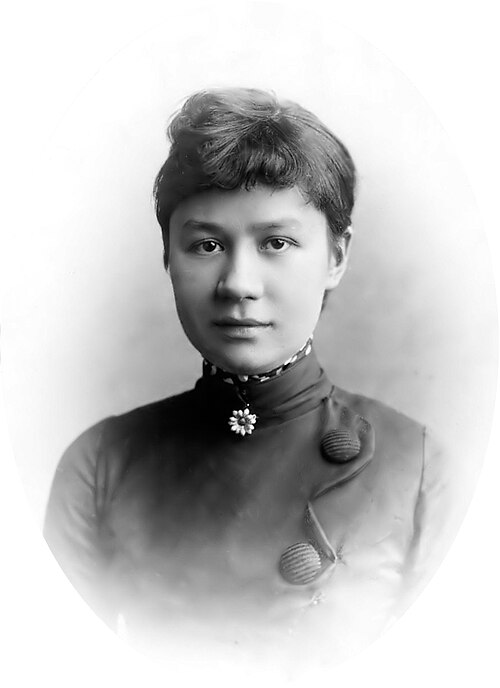
This isn’t just an interesting bit of history. It’s a helpful reminder that art doesn’t become valuable just because it’s good. Talent matters, but it’s never enough on its own. Someone is always deciding what gets shown, where, and with what story. Jo van Gogh-Bonger was especially skilled and patient at this, and by her own words, she was motivated more by belief in the art than by money.
You can see the same process happening today, only much faster. Digital and AI-generated art has quickly moved from being a curiosity to becoming the third most popular category for wealthy collectors, after painting and sculpture. Dealers, museums, and collectors are now debating which artists in this field will last and which will fade away. Just like the quiet debates that happened over decades with Van Gogh, led by one determined woman outside Amsterdam.
The story of the starving artist who becomes a genius after death will probably always be popular because it’s a great story. But the real process is less romantic and, in many ways, more interesting. Genius doesn’t reveal itself. It’s built patiently: one exhibition at a time.
This article was written for EconMinded: exploring the economics behind markets, art, and luxury at econminded.com.
Sources: Artsy, “How Vincent van Gogh’s Market Was Tirelessly Built by His Sister-in-Law, Jo”; Van Gogh Museum, “The Woman Who Made Vincent Famous”; The Conversation, “Van Gogh Museum at 50: Vincent van Gogh and the Art Market — A Brief History”; The Art Newspaper, “Jo Bonger: The Woman Who Made Van Gogh Famous.”



Very interesting, I didn’t even know about Jo Van Gogh-Bonger!