 11
11
If you’ve scrolled through TikTok or Instagram lately, you’ve probably noticed it: the sea of beige cashmere sweaters, sleek leather bags without a single logo, and perfectly tailored trousers. This look goes by names like “quiet luxury” or the “old money aesthetic,” and it’s quietly become one of the defining style movements of the decade. Just to give a sense of scale, the #OldMoney hashtag on TikTok has racked up over 2.5 billion views, with #OldMoneyAesthetic and #QuietLuxury not far behind.
What really caught my attention as I dug into this wasn’t just the fashion itself. It was the realization that this exact look has appeared before, several times in fact, and almost always during similar economic moments. Economists often refer to this as ‘counter-cyclical consumption,’ a pattern in which certain spending behaviors emerge or intensify during periods of economic downturn and uncertainty. Once you spot it, quiet luxury starts to look like something much older and more cyclical.
To really get why quiet luxury is so fascinating, it helps to start with its opposite: loud luxury, and why that’s been the go-to for so long.

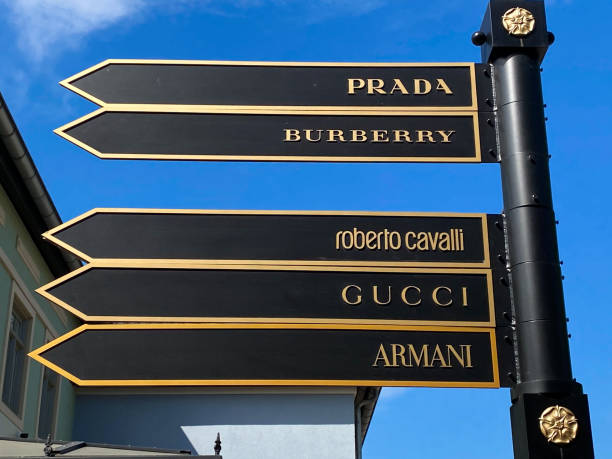
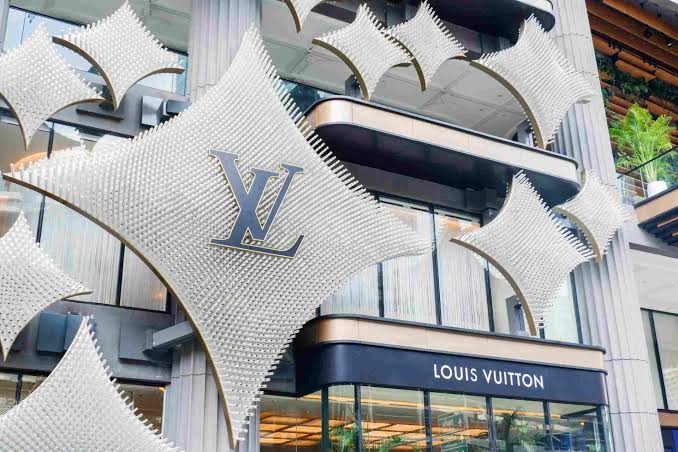
In 1899, economist Thorstein Veblen coined the term “conspicuous consumption” to describe spending money on visible luxury goods specifically to display social status. The logic is simple: if wealth itself is invisible, people who have it need some way to signal it to everyone else — and a giant logo is a very efficient signal. For most of the 20th and early 21st century, that was the dominant mode of luxury fashion. Bigger logo, clearer signal, higher status.
So when a whole generation starts seeking out $2,000 sweaters precisely because they don’t shout their price tag, that’s not just a minor style shift. It’s a complete flip of the signaling logic that’s shaped luxury fashion for more than a hundred years. There has to be a reason for that.
What really made things click for me was that quiet luxury isn’t new at all. The same instinct has popped up again and again, usually during times of economic anxiety.

”Stealth wealth” became a recognizable concept in the 1990s and 2000s, as some wealthy individuals shifted toward signaling status through quality rather than flashy branding. Designers like Giorgio Armani and Jil Sander built entire reputations on minimalist, logo-free luxury in the 1980s and 90s. But these ideas have also filtered down to everyday life and the mainstream over time. Today, you can spot quiet luxury in the popularity of high-street brands like Uniqlo, COS, or Everlane, which offer clean lines, neutral palettes, and a focus on fabric quality without any outward logos.
Even on social media, influencers styled in thrifted, understated pieces or vintage coats capture the same look at a fraction of the price. The current wave traces back specifically to the period following the COVID-19 pandemic, when many people shifted spending toward services rather than visible goods, and the fear of an economic downturn led commentators to nickname the trend “recessioncore.”
The pattern running through all these moments is surprisingly consistent. When showing off wealth starts to feel risky—whether it’s because of a recession, public backlash, or just a general sense of economic unease—luxury spending doesn’t vanish. It simply becomes quieter.

This ties into something I found especially fascinating: a nearly century-old economic theory about hemlines. Back in 1926, economist George Taylor suggested what’s now known as the “hemline index”. This was the idea that skirt lengths get longer during recessions and shorter when times are good. Even if the details don’t always hold up, the core idea still resonates: when the economy feels shaky, fashion tends to move toward styles that feel more conservative, covered, and safe, rather than bold or revealing.
Quiet luxury fits right into that pattern. Tailored, muted, structured clothes give off a sense of control and stability which is exactly what people seem to crave when everything else in the economy feels unpredictable
What’s especially interesting is that this isn’t just a matter of taste, it lines up with real changes in how people are actually spending. According to a J.P. Morgan survey from late 2025, 60% of consumers in the U.S. and Europe now use resale platforms to buy secondhand luxury goods. The same research found that among high-net-worth individuals in China, there’s a similar move toward understated style over flashy branding.
But the shape of quiet luxury can look different depending on where you are. For example, in Europe, classic tailoring and heritage brands quietly telegraph old-money status, while in Japan, minimalist fashion and subtle attention to fabric details have long been markers of refined taste. In the Middle East, discreet opulence might show up in craftsmanship and rare materials rather than logos. So this isn’t just a budget trend for people priced out of luxury. It’s happening at the very top, too, though for slightly different reasons: in uncertain times, even the truly wealthy seem to feel less comfortable showing off their spending.
Put all of this together, and the pattern becomes clear: quiet luxury isn’t a fixed style. It’s more like a recurring economic behavior that pops up under certain conditions and then fades away when things change. Earlier waves of stealth wealth and minimalist luxury never fully replaced logo-driven fashion; the pendulum just swung back whenever the economic mood shifted. (In fact, maximalist, logo-heavy styles are already starting to show up on some 2025-2026 runways, even as quiet luxury still dominates in other circles.)
When the economy feels unstable or unequal, people tend to reach for things that signal control and restraint, not excess. The look might change from decade to decade, but the economic reflex underneath stays the same.
This article was written for EconMinded: exploring the economics behind markets, art, and luxury at econminded.com.
Sources: