 11
11
Luxury is changing fast. New research shows that the number of people buying luxury goods has dropped from about 400 million to around 330 million in just three years. No matter which report you read, the trend is the same: millions are leaving the market, and the shift is still happening.
That might sound odd for an industry that is still huge in terms of total sales. Bain estimates the global luxury market is worth nearly €1.44 trillion. So how can an industry lose tens of millions of customers and still be worth over a trillion euros?
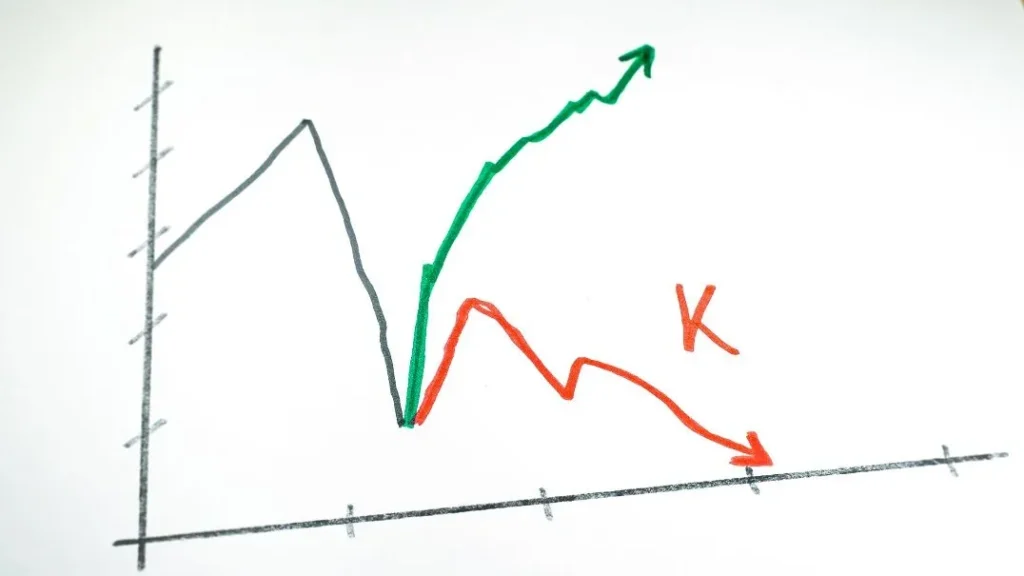
You might first think that people just stopped wanting luxury goods. But that’s not really the case. Instead, there’s a split happening, and economists call it a “K-shaped economy.”
In a typical economic recovery, most income groups move in the same direction together, with spending going up or down at about the same time. In a K-shaped pattern, though, the lines split apart. Wealthy consumers keep spending at the same pace or even spend more, while everyone else cuts back. Imagine the letter K: one line goes up, and the other goes down, both starting from the same point.
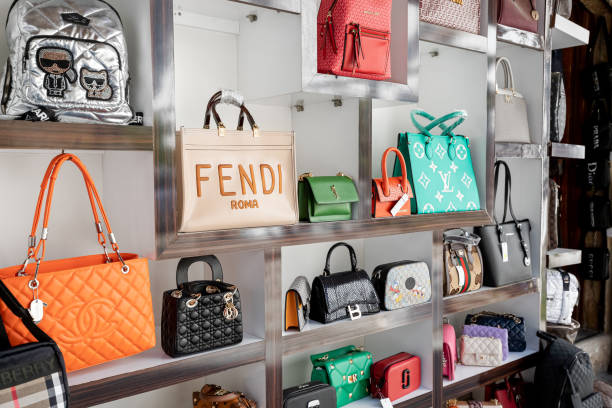
When it comes to luxury, the customers leaving the market are not the ultra-wealthy. Instead, they are what the industry calls “aspirational buyers.” These are people who are not rich but sometimes stretch their budgets to buy a luxury item, like a designer wallet, an entry-level handbag, or a special fragrance. This group is huge and has driven much of luxury’s growth over the past twenty years. Now, they are the ones leaving the fastest.
Several forces are squeezing the middle out of the luxury market, and you can see how they overlap in everyday life. First, prices have jumped. Brands say it’s about higher costs and the idea that raising prices can make something feel even more special. But for many, every increase pushes a favorite bag or watch just out of reach.
At the same time, ordinary economic pressures are closing in. Inflation, shaky job markets, and the general feeling of uncertainty have a bigger impact on middle-income shoppers than on the rich. When money gets tight, those “just this once” luxury buys are often the first to go.
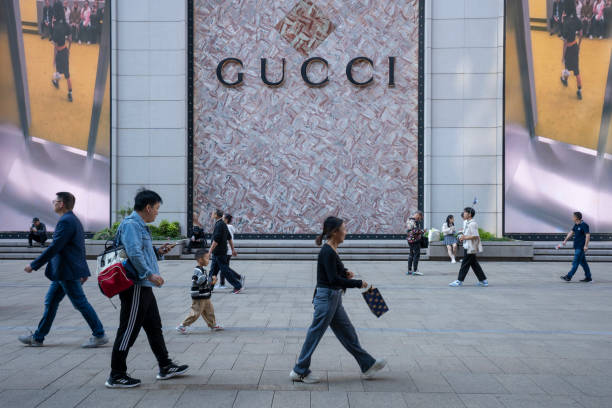
Then there’s the cultural shift. In places like China, and even in parts of the West, flaunting expensive purchases isn’t as comfortable as it used to be. Trends like “quiet luxury” and even what some call “luxury shame” are making people think twice before showing off a new designer purchase. If showing off feels risky or even a little embarrassing, the thrill of buying fades.
Retail data backs this up in a fairly specific way: a wholesale footwear analysis found that shoes priced under $250 now account for 42% of total market share, while the $500-$1,000 luxury tier has fallen sharply since 2021. That’s the aspirational price band shrinking in real time.
While the aspirational tier is shrinking, spending among the wealthiest customers has not slowed down. In fact, it may be getting even more concentrated. Research from Bain and BCG shows a similar pattern: a very small group of customers, often about 2-5% of all luxury buyers, accounts for 40% to 50% of global luxury spending. This group tends to maintain steady spending through downturns, a pattern sometimes called a “flight to quality.” When the economy is uncertain, wealthy buyers often focus even more on long-term, high-quality purchases instead of cutting back.
So the real story is not that luxury is shrinking. Instead, the luxury customer base is splitting into two groups moving in opposite directions. The industry’s total revenue is now supported by a smaller, wealthier core, even as the wider customer base gets smaller.
This split is already changing how brands operate. Some companies are focusing even more on exclusivity and high-end positioning to serve the wealthy core that continues to spend. Others are trying new ways to keep aspirational customers interested without lowering prices.
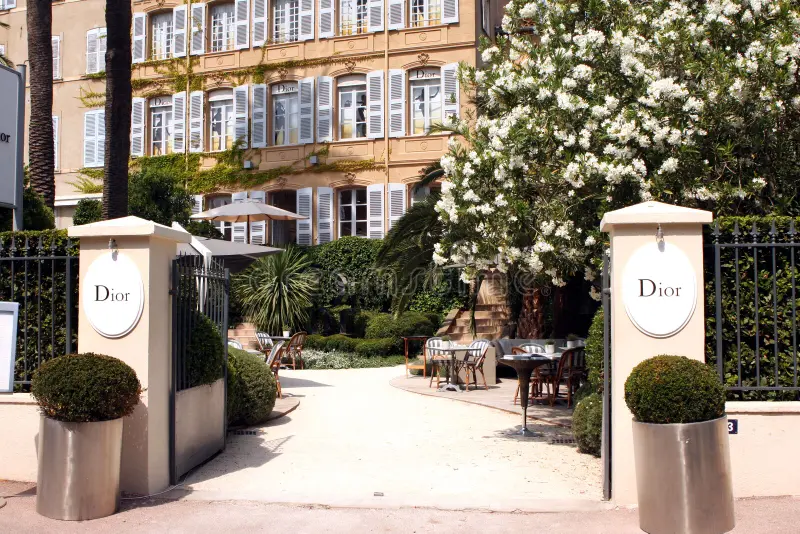
For example, they are opening branded cafés, creating members-only hospitality experiences, and building retail spaces where people can connect with the brand in a cultural way, even if they do not buy anything. Industry analysts say brands are trying to keep their elite image while also finding less expensive ways to keep a wider audience emotionally connected, even as those customers buy less.
Luxury’s future is still unfolding. For now, we’re watching a dramatic shift in who luxury serves and how brands respond. Whether the next decade brings a return of the aspirational shopper or a world where high-end goods become even more exclusive, one thing is clear: the definition of luxury is changing, and the story isn’t over yet.
This article is for informational and educational purposes only and does not constitute financial advice.
This article was written for EconMinded: exploring the economics behind markets, art, and luxury at econminded.com.