 11
11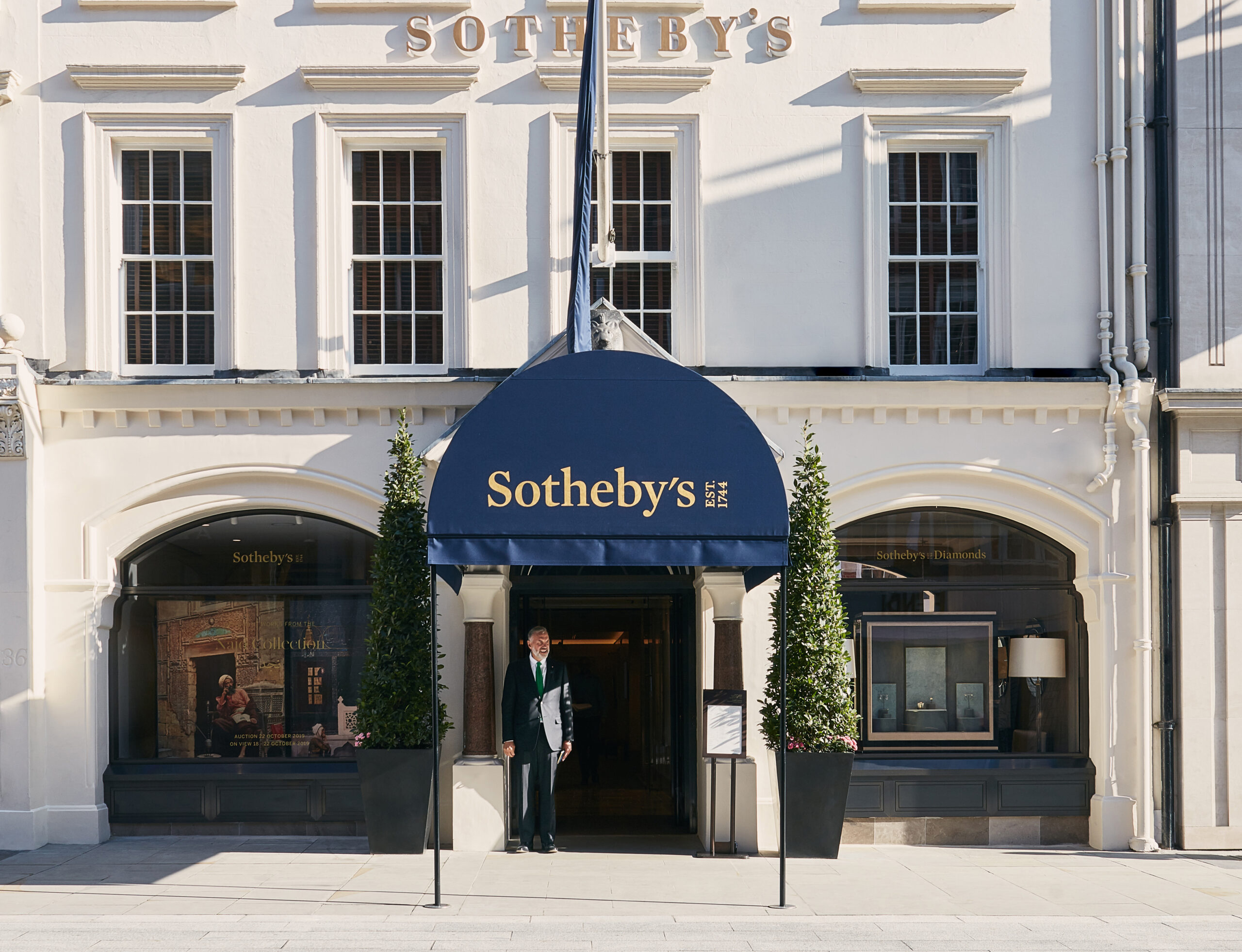
A huge number is making the rounds in wealth management: $84 trillion. That’s how much is expected to pass from baby boomers to younger generations over the next twenty years. Gen X is set to receive about $30 trillion, millennials $27 trillion, and Gen Z $11 trillion. This is the biggest wealth transfer in history, but most stories focus on real estate, retirement funds, and family businesses.
People rarely talk about the art hanging on the walls in those homes.
A significant part of that $84 trillion is tied up in paintings, sculptures, and collections that boomers and earlier generations spent decades building. Estimates suggest that art and collectibles account for about 3 to 5 percent of total household wealth in the United States. This means that up to $4 trillion of this massive wealth transfer could involve art. As this wealth changes hands, it’s already changing who buys art, what they buy, and why.

The early effects are already showing up in the data. Estate-driven sales (where paintings, sculptures, and entire collections are sold after the owner passes away or relocates) are expected to continue rising through 2026 as wealth transfer accelerates. This trend is clear. In the last two years, single-owner estates, like those of Ronald Lauder and the Pritzker family, have brought major works back into the market after years in private collections.
But that’s just the practical side. What’s more interesting is what happens when this art ends up with a new generation of buyers, who often have very different tastes from those who collected it before.
A detail that says a lot is that sales of miniature and small paintings jumped 66% in one recent year. On sites like Artsy, about 40% of all purchases were for works smaller than 40 square inches. These numbers reflect both changing tastes and the realities of living spaces today.
Many younger buyers, whether they inherit art or buy it themselves, may not have the wall space their parents or grandparents did. A six-foot painting that fit beautifully in a large suburban home may not be practical in a one-bedroom apartment, regardless of how much it’s appreciated.

Furthermore, younger collectors prefer buying art online instead of building relationships with galleries. Surveys show they care more about how a piece makes them feel than about its investment value. This is a big change from the past, when art was often seen mainly as an asset. It’s not clear whether this shift will last or is just a trend, but you can already see it in what’s selling.
Dealers and curators who want to reach these younger buyers might need to rethink how they present art. Enhancing their online presence, offering virtual tours, and creating more interactive or personalized buying experiences could help engage this new audience. Hosting pop-up exhibitions in unconventional spaces or providing opportunities for collectors to connect directly with artists can also appeal to younger collectors looking for authenticity and connection alongside the art itself.
It helps to look at this from a historical perspective, since the art market has undergone similar transitions before. Each time, it changed what people considered to be “important” art.
The first major wave happened during the Gilded Age, when fortunes from railroads, steel, and oil were spent on Old Master paintings in the late 1800s and early 1900s. At the time, these works were seen as the most prestigious. European aristocrats sold their collections, which ended up in American homes and later in museums, because new buyers wanted quick cultural status, and Old Masters were the way to get it.
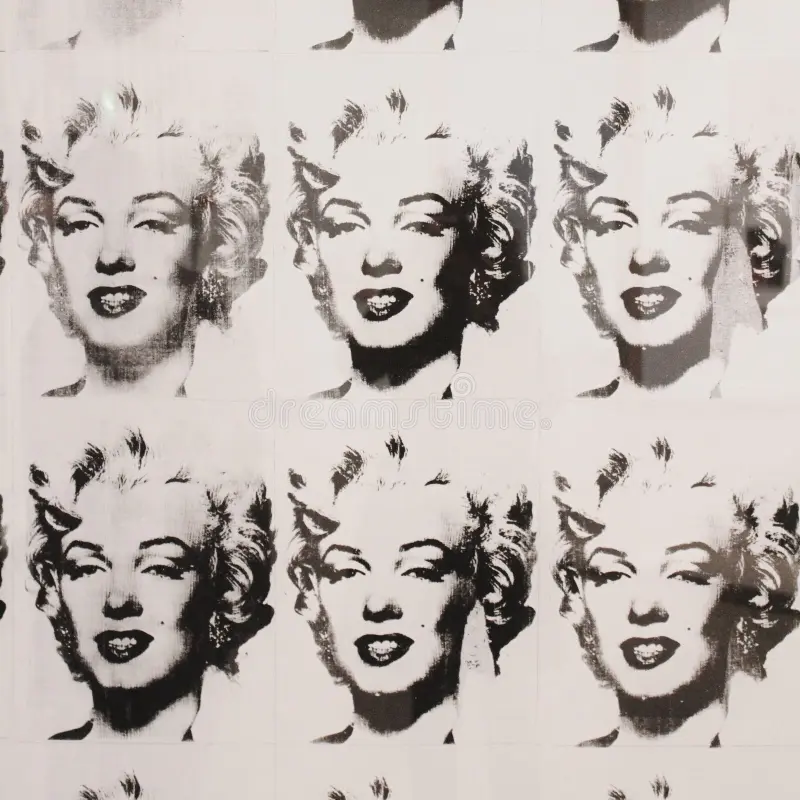
The second wave came when Gilded Age wealth was passed down and reinvested by the postwar generation. Collectors in the mid-1900s, who had new money and different tastes, started buying contemporary art like abstract expressionism and pop art. Buying from living artists let them set their own standards instead of following their grandparents’ preferences. Warhol’s rise in popularity reflected the preferences of a new group of buyers who were drawn to art that felt personal and contemporary.
Now we’re seeing a third version of this pattern, but it’s happening faster and more openly because there’s so much data available. Each generation – first Old Masters, then postwar contemporary, now smaller and more personal art bought online – has sought art that reflects their own lives and interests.
Estate auctions reveal shifts in demand, as large, museum-quality pieces from older collections sometimes struggle to find younger buyers. At the same time, growth is strongest in the market for smaller, more personal works.
Museums are responding to these changes: some are stepping in to acquire major works returning to the market, while others are experimenting with exhibitions and outreach that reflect evolving tastes. This moment is prompting many institutions to rethink their collections, displays, and engagement with new generations of visitors and donors.
This doesn’t mean the high end of the art market is disappearing. Surveys show that while younger buyers prefer smaller, more personal pieces, most collectors of all ages still plan to keep buying art. But demand is changing in subtle ways. The real question isn’t just about how much money will move, but about how changing lifestyles and preferences will shape what people choose to hang on their walls. As the market continues to evolve, the prominence of certain works will be shaped by these shifting preferences.
This article was written for EconMinded: exploring the economics behind markets, art, and luxury at econminded.com.
Sources: Crib of Art, “Art Market Trends 2026”; Bank of America Private Bank, “Art Market Update Spring 2026”; Art Basel, “Six Art Market Trends to Watch in 2026.”